Please seek medical guidance before making any lifestyle changes

I am not saying this out of bias, but Nigerians make one of the best fried rice dishes in the world!
Nigerian fried rice is so easy to make, yet it tastes so good. It is easily adaptable for a vegan. However, unlike quite a number of foods, you do not lose the flavour by making the recipe vegan! Isn’t that just wonderful!
I am going to take you down to my West African roots with this vegan version of the wonderful, the beautiful, Nigerian fried rice.
Bon Appétit!
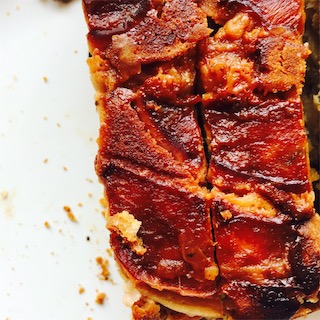
I hate cakes. Yup! I am one of those strange people who do not like cakes. However, I love this cake.
This Apple-Lime cake is the perfect cake for any time of the day. It is fruity, moist, delicious and healthier than your average cake. You can eat it and not feel so guilty!
The following nutrients can be found in this cake and an explanation of their functions can be found in the Nutrient Index: Vitamin A, thiamin (vitamin B-1), riboflavin (vitamin B-2), niacin (vitamin B-3), pantothenic acid (vitamin B-5), pyridoxamine (vitamin B-6), biotin (vitamin B-7), folate (vitamin B-9), vitamin C, alpha-tocopherol (vitamin E), gamma-tocopherol, delta-tocopherol, choline, beta-carotene, lutein, zeaxanthin, omega-3 fatty acids, omega-6 fatty acids, magnesium, manganese, copper, potassium, phosphorus, iron and fibre.
Without further ado, here’s the recipe that will have you eating a whole cake before feeling guilty!
Bon Appétit!

Risotto – a creamy Italian rice dish and my inspiration for this delicious recipe I am bringing to you.
You might be wondering why I decided to use pearl barley for this iconic dish. Well, that’s because my only other option was basmati rice, I saw a bag of pearl barley (which I had never cooked with before this day) and I decided to challenge myself to create a dish with it.
This risotto is creamy and delicious with the lovely addition of vegetables to boost its nutrient count. The nutrients in this recipe include vitamin A, thiamin (vitamin B-1), riboflavin (vitamin B-2), niacin (vitamin B-3), pantothenic acid (vitamin B-5), folate (vitamin B-9), vitamin K, choline, magnesium, manganese, selenium, iron, copper, potassium, phosphorus, calcium, zinc, lutein + zeaxanthin, omega-3 fatty acids, omega-6 fatty acids and fibre. As usual, an explanation of the functions of these nutrients can be found in the Nutrient Index.
Without further ado, here’s the recipe.
Bon Appétit!

When in doubt, make curry!
If there are any ingredients I always have, it’s ingredients to make curries with. Curries are delightful dishes that are perfect with almost anything.
Today, I am going to share my go-to recipe for a quick vegetable curry with you. I must add that although this curry is good on the day it’s made, it’s even better on the second and third day.
This recipe includes vitamins and minerals such as vitamin A, thiamin, riboflavin, vitamin C, vitamin K, iron, magnesium, potassium, calcium, sulfur-containing compounds, sodium, niacin, flavonoids, fibre, folic acid and antioxidant polyphenols. The benefits of these nutrients can be found in the Nutrient Index.
Let’s get to the recipe!
Bon Appétit!
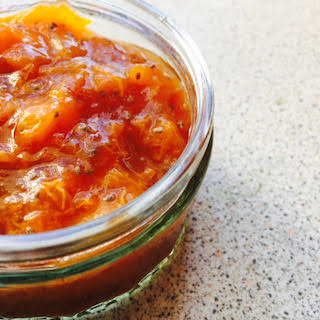
What do you do when you have a bunch of apricots? You make jam!
This apricot jam is one of the best jams I have ever tasted! To make it even better, it is guilt-free too as it is completely refined sugar-free.
The special ingredient used to thicken this jam is chia seeds. Chia seeds are my favourite powerhouse of nutrients. Some fun facts about them are that gramme for gramme, chia seeds contain:
Twenty grammes (2tbsp) of chia seeds also contain about 64% more potassium than that found in a banana and 20% of the recommended daily value of protein (for adults). There are many other nutrients and benefits found in these seeds.
The other ingredients in this recipe contain vitamin A, thiamin (vitamin B-1), riboflavin vitamin B-2), niacin (vitamin B-3), pantothenic acid (vitamin B-5), pyridoxamine (vitamin B-6), folate (vitamin B-9), vitamin C, vitamin E, vitamin K, choline, calcium, iron, magnesium, phosphorus, potassium, zinc, copper, manganese, phytosterols, calcium and fibre. Descriptions of all nutrients can be found in the Nutrient Index.
Get ready to dig into a bowl of goodness!
Bon Appétit!
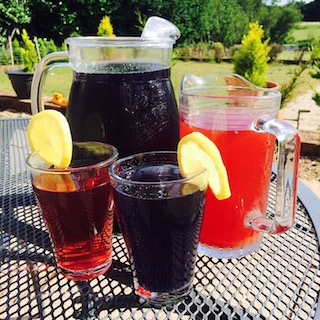
This post is coming up quite late, unfortunately. When trying to develop this recipe, I couldn’t think of an ingredient that when blended or seeped would form a blue liquid. Even blueberry juice is purple! Around this time, I stumbled onto a blue smoothie on Instagram and had to read every single thing in its description until I found what this magical blue ingredient was. I found it! Butterfly Pea Powder.
Whenever I mention this magical ingredient to anyone, their first reaction is, “why is it blue? Shouldn’t peas be green?” some wonder what butterflies have to do with it. Well, honestly, I do not know the answer to those questions although I do know that butterflies have absolutely nothing to do with butterfly peas neither does it have anything to do with pigeons as it’s other name just so happens to be, “Asian pigeonwings!”
Why did I refer to this ingredient as magical? Well, that’s because it is! Due to this one ingredient, believe it or not, this drink changes colour. Yes! it goes from a deep blue to a purplish-red colour. This is an effect you can use to wow your guest.
Without further ramblings about this ingredient, here is the recipe to your coloured drinks!
Bon Appétit!
Continue reading “4th of July Ideas: Blue and Red Refreshers”
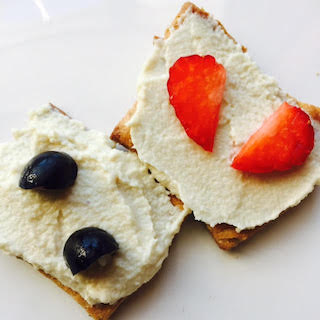
Crackers and cream cheese. What a classic snack and party appetiser!
These are not your average crackers. They have added nutrients through the quinoa flour oats and the array of other ingredients used. They are refined sugar-free. However, they are so delicious!
The cream cheese was made from cashews. In general, I hate nuts. However, I still invested in developing this recipe and it turned out amazing. Those who love cashews and tried it said that they couldn’t tell it was cashew-based. This was not just because of its taste, but because of its creaminess too. This cashew cheese can go from a cracker spread to a bagel spread, dip and almost whatever you would normally use cream cheese for.
Nutrient-wise, this recipe contains vitamin A, thiamin (vitamin B-1), riboflavin (vitamin B-2), niacin (vitamin B-3), pantothenic acid (vitamin B-5), pyridoxamine (vitamin B-6), biotin (vitamin B-7), folate (vitamin B-9), cobalamin (vitamin B-12), vitamin C, ergocalciferol (vitamin D-2), alpha-tocopherol (vitamin E), gamma-tocopherol, delta-tocopherol, vitamin K, choline, copper, calcium, beta-carotene, lutein, zeaxanthin, magnesium, molybdenum, manganese, phosphorus, selenium, potassium, phytosterols, omega-3 fatty acids, omega-6 fatty acids, zinc, iron and fibre. As usual, an elaboration of each nutrient can be found in the Nutrient Index.
Let’s get on to the recipe!
Bon Appétit!
Continue reading “4th of July Ideas: Quinoa-Oat Chia Crackers with a Cashew Cream Cheese”

Oatmeal is a great breakfast to customise for the fourth of July. All you have to do is use red and blue toppings (and maybe a white topping too).
I love my sweet cinnamon oatmeals. Usually, I make them as maple-cinnamon, but in these pictures, they’re date-cinnamon as I used a date syrup. I will suggest that a lighter coloured syrup, such as maple and agave, or sugar would be better in order to maintain the light colour of the oatmeal. Also, smooth oat porridges tend to have a lighter final colour than larger oats.
This sweet-cinnamon oatmeal contains vitamin A, thiamin (vitamin B-1), riboflavin (vitamin B-2), niacin (vitamin B-3), pantothenic acid (vitamin B-5) pyridoxamine (vitamin B-6), biotin (vitamin B-7), folate (vitamin B-9), cobalamin (vitamin B-12) vitamin C, ergocalciferol (vitamin D-2), vitamin E, vitamin K, copper, calcium, choline, chromium, magnesium, molybdenum, manganese, zinc, iron, potassium, phosphorus, phytosterols, omega-3 fatty acids, omega-6 fatty acids, selenium and fibre. A description of these nutrients and their various roles in the body can be found in the Nutrient Index.
Continue reading “4th of July Ideas: Sweet Cinnamon Oatmeal”

I’m not American. However, I can not avoid the 4th of July. Americans go hard with their celebrations and they upload tonnes of amazing tricoloured photos as proof.
As the fourth will be upon us in about a few days, I decided to help you guys out with some red, white and blue recipes. In this post, I will be sharing a quinoa pancake recipe that is quite delicious and can be made, not just on the fourth, but every day too sans the colours.
Quinoa is one ingredient that I have not featured on this website before. It is a grain which tends to be used as a substitute for rice as it has a significantly higher protein and general nutrient content. Quinoa is also quite common in salads and as a matter of fact, quinoa is not just a complete protein, but also a superfood due to its vast amount of nutrients. I will not be describing the function of all the nutrients found in this grain, however, I will be listing as many as I am sure of: Vitamin A, thiamin (vitamin B-1), riboflavin (vitamin B-2), niacin (vitamin B-3), pyridoxamine (vitamin B-6), folate (vitamin B-9), alpha-tocopherol (vitamin E), gamma-tocopherol, delta-tocopherol, choline, beta-carotene, lutein, zeaxanthin, omega-3 fatty acids and omega-6 fatty acids.
Tocopherols (vitamin E) is a natural anti-ageing vitamin which slows down the ageing process by reducing and preventing damage caused by free radicals, reducing inflammation on an within the body, improving the skin’s flexibility and strengthening capillary walls. These also make vitamin E beneficial for cancer patients as it reduces the harmful or negative effects of radiation and dialysis such as hair loss and skin problems such as dryness or peeling. It balances hormones, therefore, preventing or minimising symptoms of PMS, anxiety, and fatigue while boosting energy levels, regulating the menstrual cycle and aiding in the maintenance of a healthy weight. Lastly, vitamin E is very crucial during pregnancy as it protects fatty acids needed for the proper brain and neurologic development of a foetus.
Choline is a water-soluble macronutrient that can be compared to (and occasionally works with) the B-complex vitamins. It aids in the creation and maintenance of cell membranes by promoting the absorption of fat from foods consumed thereby supporting brain development and growth. It also supports the movement of muscles by improving nerve signaling via the activation of the neurotransmitter, acetylcholine. Due to choline’s importance in nerve signaling and the creation and maintenance of cell membranes, it aids in preventing memory loss and lack of focus and concentration especially due to ageing as levels of acetylcholine naturally diminish as a person gets older. By supporting the absorption of fats to make cell membranes, choline prevents harmful fat build-up, such as that from triglycerol and cholesterol, in the liver. It also aids in the metabolisation of homocysteine (an amino acid formed by the body as a byproduct of methionine, which usually obtained from animal (by)products) to benign products thereby reducing the risk of heart diseases, heart attacks and strokes. Like vitamin E, choline is also essential during pregnancy in order to support the formation of the brain, nerve channels and cell structures of a foetus/foetuses.
Lutein and zeaxanthin, popularly known for their vision-boosting properties, are antioxidants from the carotenoid family. These antioxidants reduce the risk of blindness by protecting the eyes from short-wavelength UV light and preventing the formation of cataracts. They also prevent skin damage and skin cancer by reducing oxidative stress through protecting the skin from high-energy wavelengths of light. Lastly, some studies have shown that a combination of lutein and omega-3 fatty acids (especially docosahexaenoic acid (DHA)) aids in preventing, controlling diabetes and biochemical changes caused by diabetes
Omega fatty acids (omega-3 (alpha-linolenic acid) and omega-6 (linoleic acid)) are essential acids needed for the proper function and development of organs and systems in the body especially that of the brain, heart and immune system. The health benefits of omega fatty acids are extensive. These benefits include preventing cases of high cholesterol or cholesterol buildup by lowering triglycerides and raising high-density lipoprotein (HDL) levels, lowering blood pressure due to hypertension, reducing symptoms of rheumatoid arthritis, increasing levels of calcium thereby improving bone health and preventing or treating osteoporosis, preventing cognitive decline due to ageing, reducing sensitivity to UV rays thereby aiding in the treatment of photodermatitis, supports the treatment of psoriasis alongside medication, prevents blindness caused by macular degeneration, reduced symptoms of PMS such as cramps and mood swings by balancing hormones and reducing the risk of some cancers such as colon, breast and prostate cancer.
That was quite a bit of reading!
With that said, here is the recipe for our 4th of July pancakes.
Bon Appétit!
 LickYourPlates